
Ingen varer i kurven.
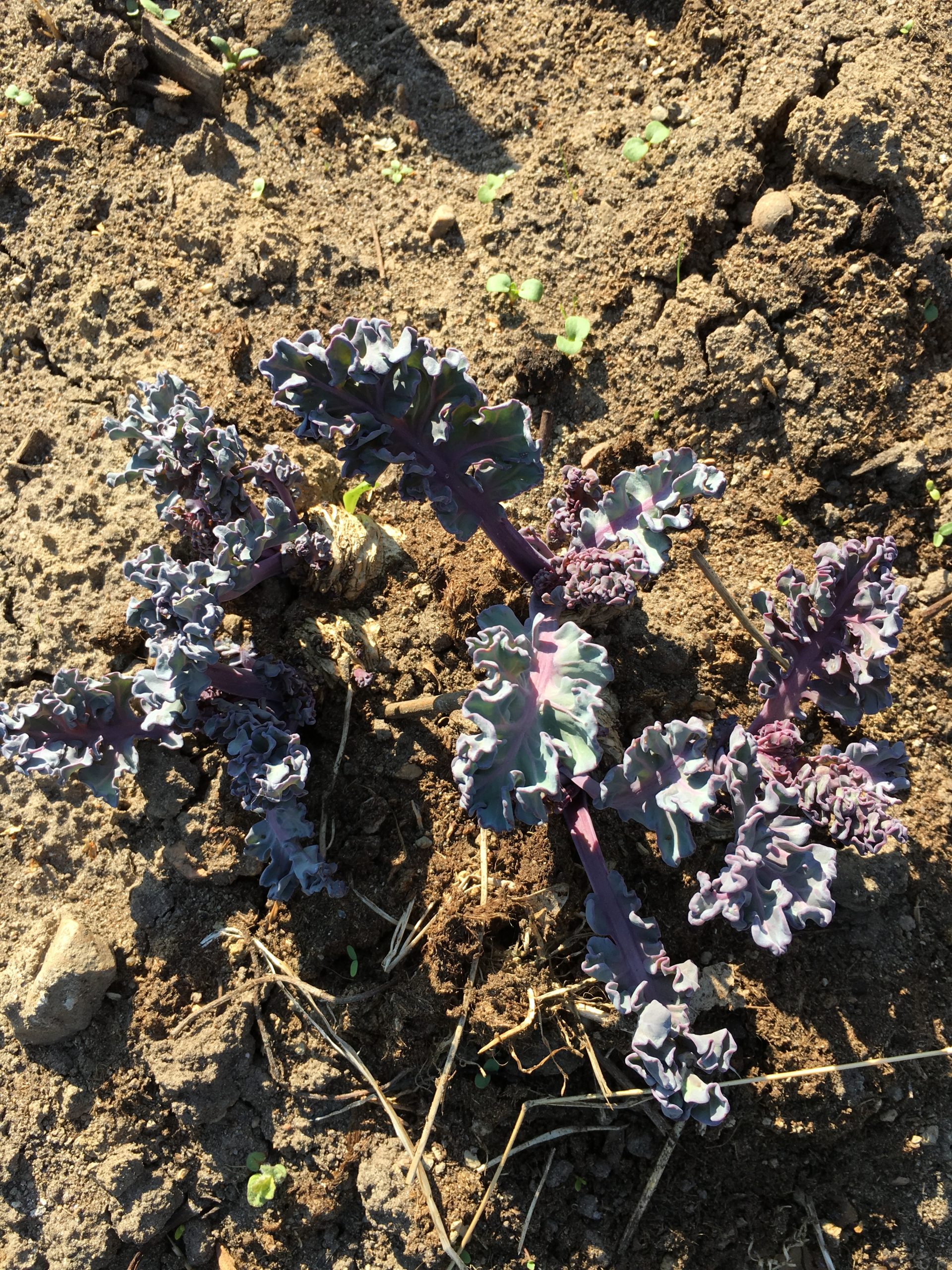
Strandkål bruges som dekoration de enorme blåduggede blade er smukke i et bed. Eller som en meget tidlig og delikat forårsgrøntsag. Strandkål er flerårig og den skal bleges under en lystæt spand, og vil da skyde helt mælkehvide skud, der smager mildt og lækkert. Bør vinterdækkes.
Slow Food ARK OF TASTE Variety:Sea Kale (Crambe maritima L.) is a perennial Brassicaceae that can tolerate hostile impact from ocean waters/coastlines. Its hardiness prevails till temperatures drop below freezing at 25 degrees.
The mounding plant grows to 2-3 tall and same width dimension. The blue, green leaves are deeply looped, crinkled and thick. The tiny white blooms burst open in late Spring releasing a honey scented fragrance into the air. The growing medium of gravel, sand, stones and even salt residue suits the plant’s needs. Ph levels range from 6.5-7.5. Sea Kale is self and cross pollinated. Wind and pollinating insects contribute to its reproduction. Seed pods float off with the tides. Mature plants can be divided. For the home permaculture landscape, seed and root/thong stock can be sourced on both American shores. Direct sowing of seed is not productive till the soil warms to 45 degrees.
Sea Kale originated wild along the Atlantic mainland from the British Isles Southern shores and Northern Europe. It was first cultivated at the turn of the 18th Century when it grew in popularity as a delicacy. Sea Kale was also used as fodder for cattle, sheep, hogs and poultry. It has become naturalized on the Northwest coast. The plant is well suited for the seaside and cool summer conditions including the New England region. The many directions to develop Sea Kale in the United States has begun to be explored.
Sea Kale is edible from bloom to root; this includes seed pods and shoots. Each part can be prepared raw or cooked. The peak harvest is in Late Spring and Early Summer. In the Fall, another opportunity for leaf harvest presents itself. The blooms are edible and can be harvested like florets providing a broccoli taste. Stems and leaves when young taste like cabbage and kale. The seed pods, while still green provide a juicy, pleasant taste. Shoots taste like asparagus, a blend of nutty and sweet. Roots are preferred cooked, boiled or roasted bringing forth a starchy, sweet rutabaga flavour.
This vegetable pairs well with sauces like Hollandaise and Bechamel or simply sauté in olive oil with lemon. At the table, complement with other seasonal ingredients. Serve with fish and shellfish. Delicious fish seaweed ramen. The nutritional values compare to asparagus in vitamin and mineral content. Sea Kale has more potassium and Vitamin C. The high Vitamin C content proved medicinal for long sea voyages, pickled so it would store well. Within it holds antiviral, antifungal, antiseptic and purifying properties.
Sea Kale brings biodiversity to coastal regions providing nutrient rich food and contributing to the vitality of shoreline and landscaped ecosystems. This nomination falls into both wild forage and cultivated vegetable categories. After being planted in Victorian gardens and foraged along the shore, Britain experienced a threat to this indigenous plant. Sea Kale is presented to the Ark of Taste as an underappreciated food. A food that was discovered, threatened and now being revitalized. Over foraging, rising sea levels, destruction of habitat and the slow growth of the plant put it at risk. There are now efforts to restore habitat and protect Sea Kale.
Customers' review
Be the first to review “Strandkål plante – Udvalgt af Slow Food Arc of Taste”
Du skal være logget ind for at skrive en kommentar.
Relaterede varer

Reviews
There are no reviews yet.